Student Welfare
Programs and assistance that support students’ well-being, safety, and overall quality of life.
Student-centered support, guided by service
We are committed to creating a welcoming, empowering, and inclusive environment for every student.
Explore Our Services
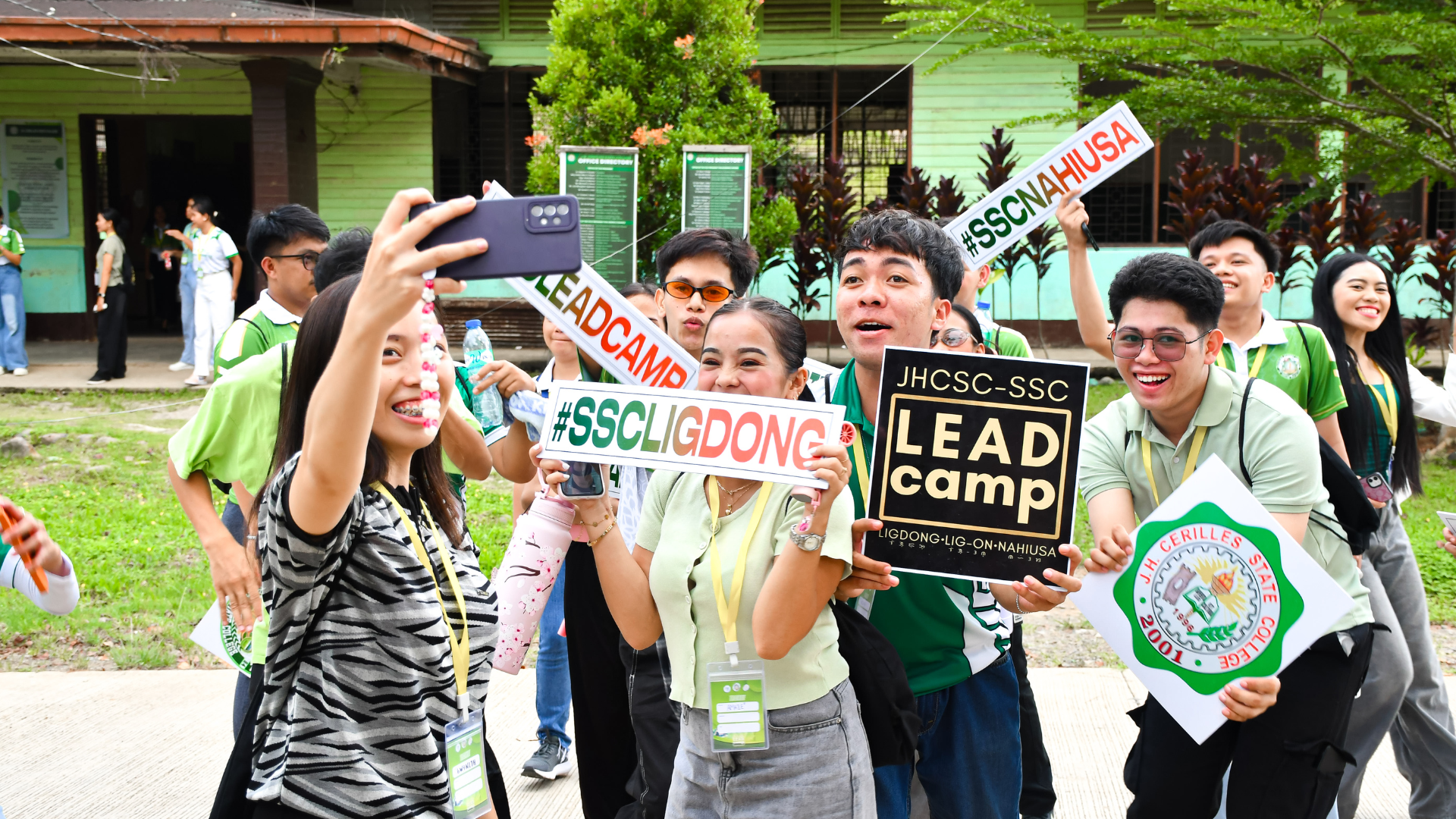
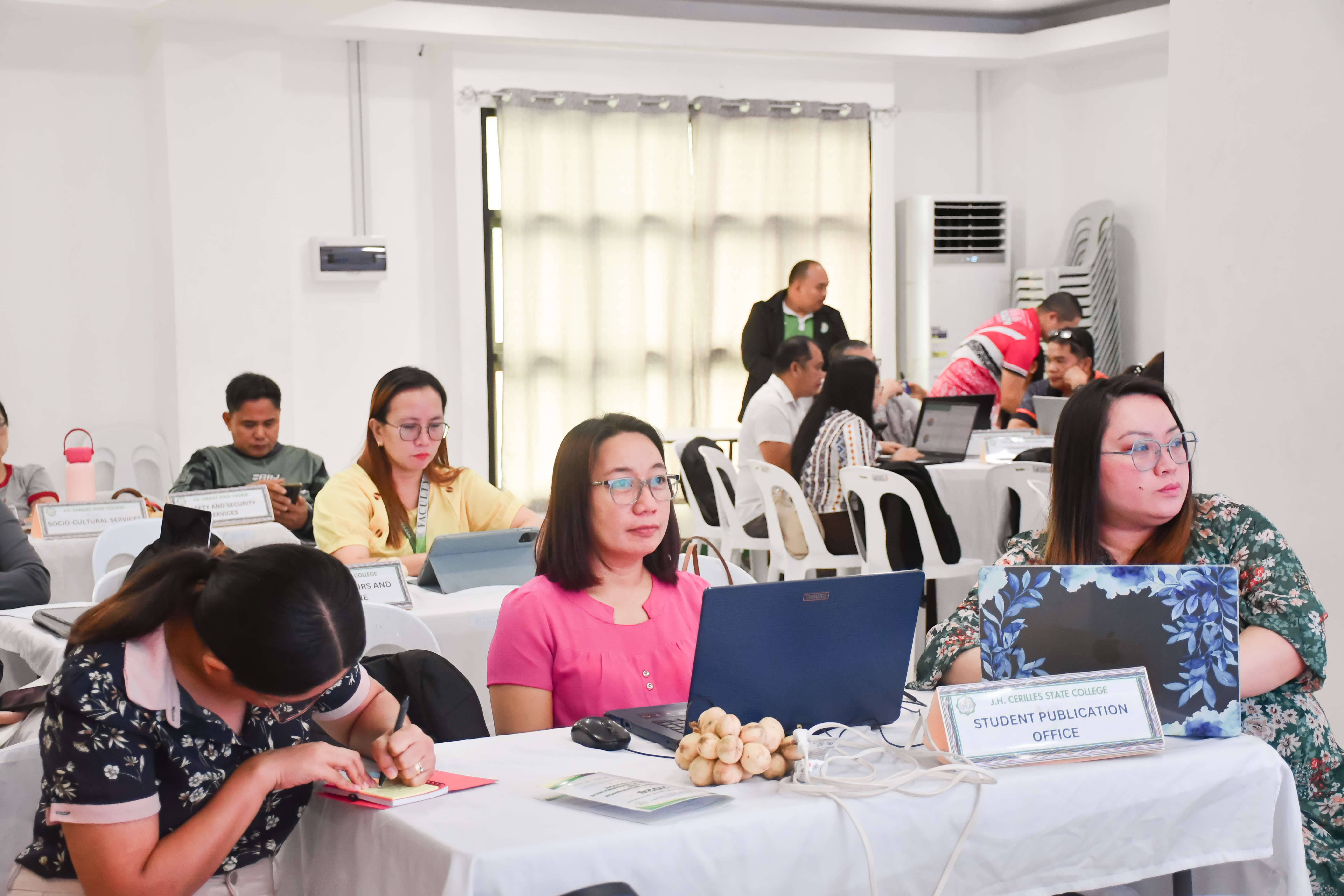
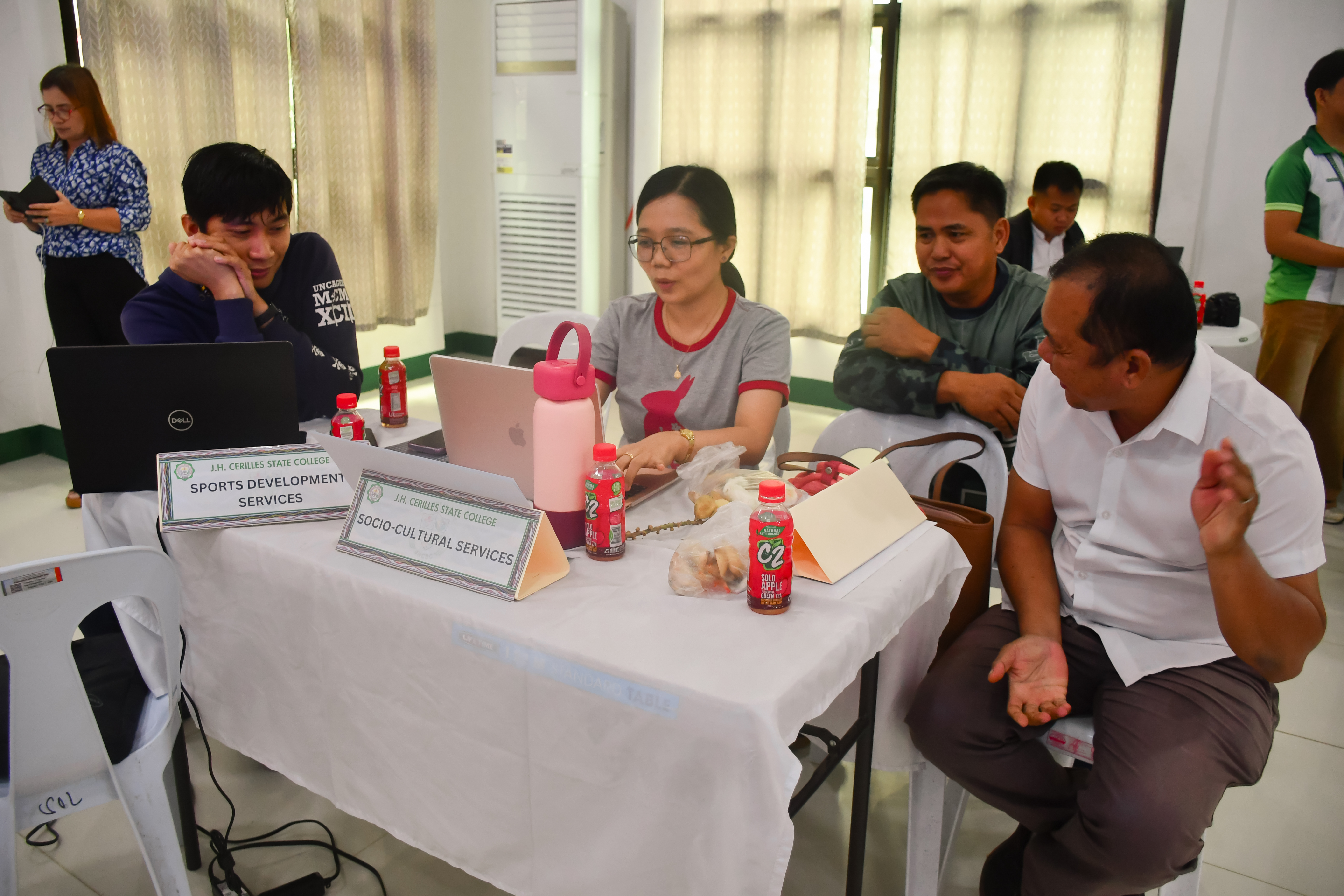
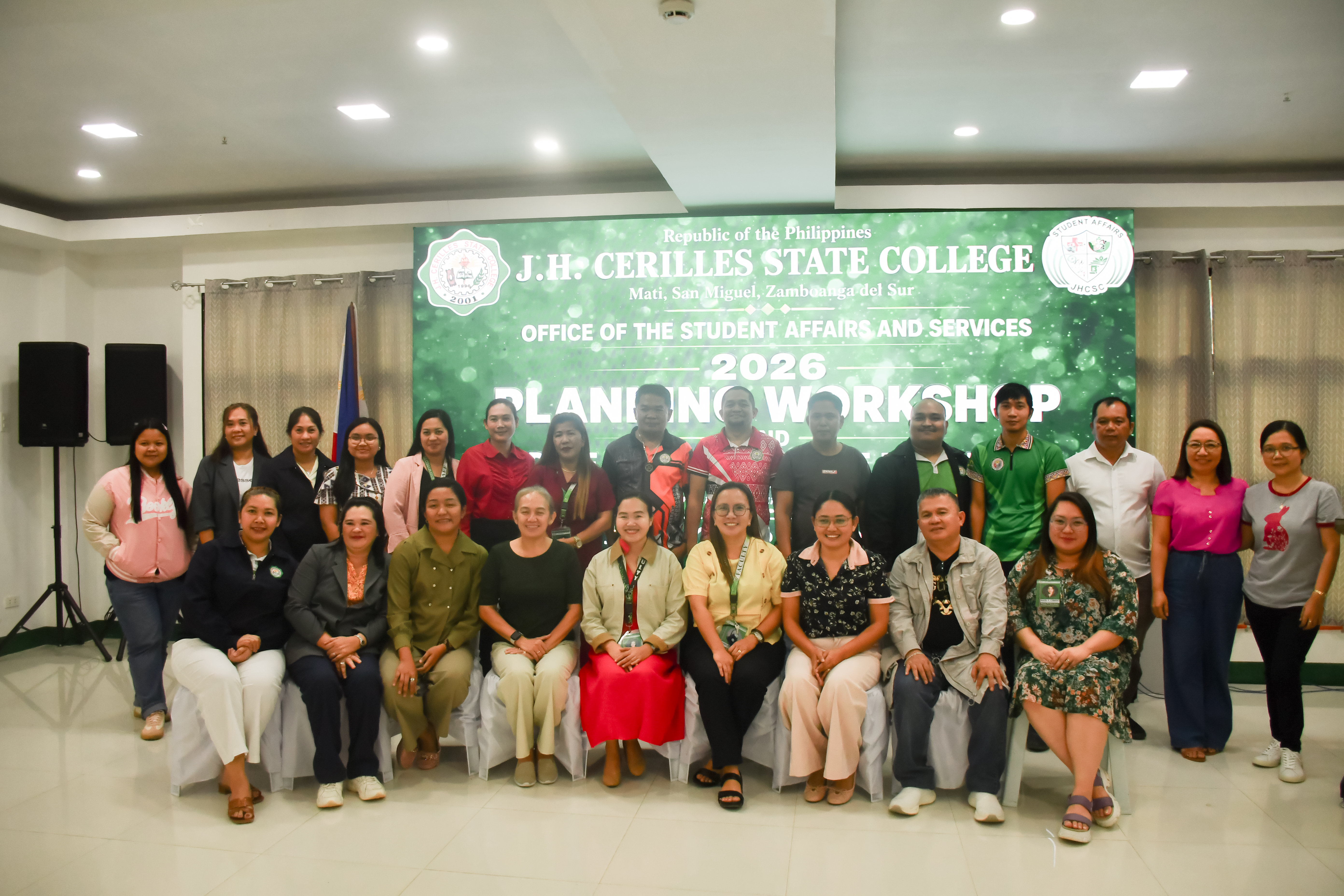
Explore Our Services
Programs and assistance that support students’ well-being, safety, and overall quality of life.
Student-centered support covering scholarships, health, sports, arts, safety, food, and multi-faith services.
Opportunities for leadership, personal growth, and stronger student capacity, confidence and discipline.
Learn about our mission, mandate, and commitment to student success.
Frequently Asked Questions
OSAS oversees three main units of student support. Student Affairs and Development Services covers student government, organizations, activities, discipline, student publication, and foreign/international student services. Student Welfare and Services includes guidance and counseling, career and job placement, student enterprise development, and services for students with special needs and persons with disabilities. Student Programs and Services encompasses socio-cultural and arts programs, sports development, health and food services, scholarship and financial assistance, multi-faith programs, student housing, safety and security, and the NSTP/ROTC unit.
J.H. Cerilles State College has its Main Campus in Mati, San Miguel, Zamboanga del Sur. It also operates two organic campuses: JHCSC Dumingag Campus in Dumingag, Zamboanga del Sur, and JHCSC CMSE Canuto Campus in Lakewood, Zamboanga del Sur, plus an annex in Pagadian City (JHCSC Pagadian Annex). The OSAS office is located on each campus to serve students.
Scholarship applicants must pass the JHCSC College Admission Test (CAT) and must not have incomplete (INC) grades at the time of application. A student may only enjoy one scholarship at a time. OSAS administers several programs including the Academic Scholarship (President's Lister with GPA of at least 1.25; Dean's Lister with GPA of at least 1.75), CHED Tertiary Education Subsidy (TES) — a grant of up to ₱20,000 per academic year, CHED Tulong Dunong Program (TDP) — ₱15,000 per academic year, SUC-TDP — ₱7,500 one-time grant, ACEF-GIAHEP — ₱13,500 per semester plus ₱2,000 book allowance, CHED Merit Scholarship Program (CMSP), CoScho for children of coconut farmers (₱70,000 first semester, ₱40,000 succeeding semesters), Zamsurgea, PTA Scholarship, and JHCSC-MPC Scholarship. Scholarship grants are subject to maintaining the required General Weighted Average (GWA). Visit the JHCSC Scholarship Office Facebook page for the latest updates.
Yes. The Guidance and Counseling Services are anchored on RA 9258 (Guidance and Counseling Act of 2004), RA 11036 (Mental Health Act), RA 11313 (Safe Spaces Act), and CHED Memorandum Order No. 09, s. 2013. Services include individual and group counseling, psychological testing and assessment, crisis intervention, career and job placement assistance, and the Student Peer Facilitator Program called Project L.I.G.H.T. (Leading Individuals to Growth, Healing, and Transformation). Major programs include Suicide Prevention Awareness Month (September), Mental Health Awareness Month, anti-bullying initiatives, drug prevention awareness, and special population support for PWDs, IPs, solo parents, and working students. All counseling services are confidential and conducted by licensed Guidance Counselors in accordance with ethical standards.
Student organizations must be duly recognized and accredited by OSAS. There are four classifications: Academic Organizations (under specific programs/schools), Non-Academic Organizations (cultural, civic, religious), Office-Based Organizations, and the Supreme Student Council (SSC). Each organization must have at least one faculty adviser and must renew recognition annually within the fifth week from the start of classes. A student is required to be a member of one academic and one non-academic organization and may hold only one elective/appointive position. Fraternities and sororities are strictly prohibited on campus per the Anti-Hazing Act (RA 11053). To establish a new organization, submit a letter of application to the College President through the Dean of Student Affairs, along with the organization's constitution and by-laws, calendar of activities, list of officers and members, and faculty adviser's acceptance.
In case of an emergency, immediately contact the nearest security personnel. Familiarize yourself with emergency exits and evacuation procedures. The College implements regular disaster risk reduction and management programs, including emergency drills, in accordance with RA 10121 (Philippine Disaster Risk Reduction and Management Act of 2010). Students must present their ID cards to security personnel upon entry. ID cards must be worn at all times while on campus. The curfew is set one hour after the last class period; anyone needing to stay beyond curfew must secure a permit from school authorities a day in advance. Bringing alcohol, prohibited substances, or deadly weapons is strictly prohibited. All vehicles are subject to inspection upon entry and exit.
Admission requires passing the JHCSC College Admission Test (CAT), conducted once a year before the first semester enrollment. Applicants must be graduating or graduated Senior High School students, transferees, or ALS graduates. Required documents include: Certificate of Good Moral Character (original), Senior High School Report Card (SF9, original), PSA-authenticated Birth Certificate, two 2x2 ID pictures, one long folder, and one long brown envelope. Transferees with a GWA of at least 1.75 and no grade below 2.00 are exempt from the CAT. After passing the CAT, applicants undergo a qualifying interview and/or written examination administered by their chosen school/program. No student shall be denied admission because of sex, ethnicity, religious belief, political affiliation, or disability (RA 7277).
The College uses a numerical grading system based on a quartile system: Periodic Examinations (Midterm and Final) — 40%, Quizzes/Recitation/Practicum — 40%, and Projects/Research/Experiment/Assignment — 20%. The General Weighted Average (GWA) is computed as 50% of the Midterm Grade plus 50% of the Final Grade. The passing grade ranges from 1.00 (Excellent, 97-100%) to 3.00 (Passed, 73-75.99%). A grade of 4.00 allows a Removal Examination — if passed, the student earns 3.00. A grade of 5.00 is a failing grade. An "INC" (Incomplete) must be completed within one academic year; otherwise, it automatically converts to 5.00. An "IP" (In Progress) grade applies only to thesis requirements and must be completed within one year for undergraduate programs.
OSAS provides comprehensive welfare services including: Guidance and Counseling — confidential counseling, psychological testing, career and job placement (Job Fair, Employment Coaching); Health Services — medical and dental consultations, first aid, health education, and immunization (clinic open Mon-Fri, 8:00 AM–5:00 PM); Food Services — ensuring safe, healthy, and affordable food options on campus; Safety and Security — 24/7 security personnel, ID-based access, vehicle registration, and disaster preparedness; Student Housing — on-campus dormitory at ₱500/month inclusive of utilities, with campuses without dormitories coordinating with local governments for approved boarding houses; Multi-Faith Services — providing shared sacred spaces and promoting respect for all religious beliefs; Library Services — open Mon-Fri, 7:00 AM–6:00 PM, with online catalog (OPAC/KOHA LIS), e-books, and digital repositories; and Services for Students with Special Needs and PWDs — accessible facilities, priority assistance, and academic accommodations.
Students are required to wear the Standard Uniform from Monday to Friday, except on Wednesdays (Washday). Male students wear a white polo with the school seal and black slacks with a neat, short haircut. Female students wear a long white blouse with a necktie and checkered green-and-yellow pants or skirt. In support of SOGIESC equality, the Type B uniform (white polo/blouse with checkered pants) is available to all students as an inclusive option. The Official Student ID must be visibly worn at all times while on campus — it is strictly non-transferable. Prohibited attire includes backless or tube tops, spaghetti straps, cropped tops, mini-skirts, slippers, and transparent clothing worn without proper undergarments. Tattoos must be kept concealed while on campus.
Our ChatBot Assistant